
Layering varied green shades, from soft sage to deep emerald, establishes visual depth and tranquility. Spatial planning is enhanced with green upholstered furniture, natural wood accents, and lush plant integration for biophilic appeal. Textural elements such as chunky throws, velvet cushions, and patterned green rugs add tactile richness. Light green curtains optimize luminosity, while earthy tone pairings guarantee a harmonious palette. These contemporary design strategies create an inviting retreat—explore further inspiration to uplift every detail.
Key Takeaways
- Layer various green shades and textured textiles to create visual harmony, depth, and a tactile, inviting ambiance.
- Use soft sage or light green walls and curtains to visually expand spaces and foster a tranquil, biophilic atmosphere.
- Introduce green upholstered furniture with earthy accessories to revitalize the room while ensuring comfort and style versatility.
- Incorporate lush indoor plants and natural materials like wood and wicker to enhance coziness and reinforce a verdant, organic palette.
- Pair green tones with warm wood accents and green patterned rugs for earthy color harmony and added visual depth.
Layer Different Shades of Green
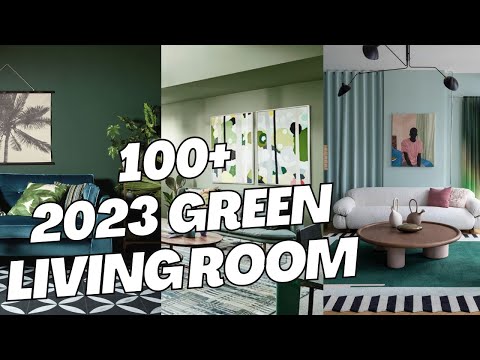
By thoughtfully layering multiple shades of green, a living room can achieve both visual harmony and spatial depth.
Interior designers recommend pairing deep green accent walls with lighter green furnishings—such as chairs or area rugs—to create a sophisticated monochrome palette. This layered green decor approach capitalizes on the tranquil qualities associated with green while incorporating trend-forward color blocking.
Strategic spatial planning involves distributing varying green tones through accessories like cushions, throws, and artwork, which introduce textural variety without visual clutter. The interplay of hues—ranging from olive to emerald—enhances the sense of cohesion and dynamism within the space.
This design methodology not only boosts the room’s ambiance but also allows for individual expression through curated combinations of green, establishing a serene yet visually engaging interior.
Additionally, incorporating natural light and mirrors can further elevate the vibrancy and openness of the space, creating a brighter and more inviting living room environment.
Choose Soft Sage Walls for Calm

A backdrop of soft sage walls introduces a refined tranquility to the living room, aligning with current trends in biophilic design and restorative color palettes. Drawing on sage color psychology, this subtle green exudes calm, making it an ideal foundation for calming decor. Spatial planners appreciate soft sage for its versatility; it visually expands compact spaces and complements a spectrum of materials, from rattan to linen. The muted tone harmonizes with warm neutrals—such as tan and peach—fostering a cohesive, cozy aesthetic. Additionally, sage’s reflective quality enhances natural light, cultivating an uplifting and airy ambiance. Incorporating lush indoor plants can extend the green palette, further enhancing the serene and natural atmosphere. The following table illustrates key considerations for integrating soft sage walls:
| Element | Spatial Impact |
|---|---|
| Pairs with warm neutrals | Enhances tranquility |
| Works in small spaces | Expands perceived area |
| Matches natural textures | Promotes cozy aesthetic |
| Reflects natural light | Boosts room brightness |
Add Depth With Dark Green Accents

Strategic layering of deep green textiles, such as velvet cushions or mohair throws, introduces dimensionality and tactile interest to the living room scheme. When juxtaposed with light neutral furnishings and area rugs, these accents generate a balanced interplay that enhances spatial depth. This contrast not only aligns with contemporary color blocking trends but also reinforces a sophisticated, inviting atmosphere. Incorporating textured throws and rattan decor adds warmth and natural texture, enhancing the tactile experience and visual narrative of the space.
Layer Deep Green Textiles
Infuse visual depth and tactile richness into a living room by layering deep green textiles—such as velvet cushions, knitted throws, and silk accents—across seating and soft furnishings.
Thoughtful textile combinations create dimension and establish a cohesive palette, while nuanced fabric layers offer both comfort and sophistication. Designers employ a mix of plush and sleek materials to maximize sensory appeal and spatial harmony.
- Deep green velvet cushions paired with chunky knit throws invite relaxation and anchor the seating area.
- A statement dark green silk or chenille accent chair introduces a luxe focal point, enhancing both form and function.
- Floor-length dark green curtains frame windows, softening architectural lines and allowing filtered natural light for an inviting ambiance.
Strategic layering of green textiles enhances visual interest while maintaining warmth and cohesion.
Contrast With Light Neutrals
Many contemporary living rooms achieve visual depth and balance by juxtaposing light neutrals with dark green accents. This strategic approach leverages neutral color schemes to create a sophisticated backdrop while allowing dark green elements—such as a statement sofa, accent wall, or botanical artwork—to anchor the space.
Light accent pieces, including beige upholstery or soft white textiles, mitigate the visual weight of richer tones, ensuring the room remains open and inviting. Incorporating natural materials like light wood or rattan enhances the cozy ambiance and complements the deep green palette.
This contrast not only enhances aesthetic appeal but also increases flexibility in accessorizing, enabling the seamless integration of various textures and hues. The result is a harmonious environment grounded in contemporary design principles.
Incorporate Green Upholstered Furniture

While green upholstered furniture introduces a revitalizing accent to living spaces, its versatility guarantees seamless integration across a spectrum of interior styles. Designers favor green sofas and chairs not only for their aesthetic impact but also for their practical benefits; darker green fabrics effectively camouflage stains, making them ideal for high-traffic zones. Selecting eco friendly options in upholstery materials enhances sustainability while ensuring healthy indoor air quality. To curate a cohesive and visually dynamic setting, consider layering various green tones and pairing them with vibrant accessories. Expert spatial planning leverages green furnishings as visual anchors or subtle enhancements, depending on the room’s composition. Imagine these possibilities: - A deep emerald velvet sofa framed by crisp white walls - Eco friendly moss-green accent chairs punctuating a minimalist space - Sage-green ottomans highlighted by bold, patterned cushions. Additionally, lighting considerations can further enhance the ambiance of a room by highlighting textures and creating a warm, inviting atmosphere.
Bring in Natural Elements and Plants

By thoughtfully integrating natural elements and lush indoor plants, designers can amplify both the aesthetic and functional qualities of a green-themed living room.
Utilizing indoor plant care best practices, such as positioning Chinese Evergreens or large leafy specimens near natural light, not only reinforces the room’s verdant palette but also supports healthier air quality.
Placing vibrant indoor plants near natural light elevates your living space’s greenery while naturally purifying the air.
Selecting natural materials—wicker baskets, stone accents, or wooden planters—ensures cohesion with botanical elements and introduces organic texture for a calming, grounded effect.
Strategic spatial planning should focus on varying plant heights and leaf shapes to create layers of visual interest and depth.
Large statement plants can serve as focal points, drawing the eye while enhancing the cozy ambiance.
This biophilic approach aligns with current sustainability and wellness trends in interior design.
Incorporating earthy textures like rattan along with green wallpaper can further enhance the organic synergy of the space, creating a cohesive, tranquil oasis.
Use Textured Green Accessories

Strategically layering textured green accessories—such as velvet cushions, knitted throws, and woven rugs—elevates the sensory richness of a living room while reinforcing its cozy aesthetic. Designers leverage the interplay of textured textiles to establish both visual depth and tactile comfort, which is paramount in contemporary spatial planning. Green accessories, particularly those with distinct patterns or weaves, introduce nuanced color variation and create a harmonious palette. This method not only unifies disparate elements but also delineates functional zones within the room. Using a curated mix of textured green accents enhances atmosphere and aligns with current trends in biophilic and sustainable design. A chunky knit sage-green throw draped over a linen armchair. Velvet emerald pillows clustered on a neutral-toned sofa. A patterned olive rug anchoring the conversation area. Adding area rugs delineates zones while adding warmth and texture, further defining seating areas and visual boundaries.
Pair Green With Warm Wood Tones

Integrating natural wood accents with green palettes achieves earthy color harmony, a trend that continues to inform contemporary living room design. Spatial planners often utilize wood beams, shelving, or flooring to anchor green furnishings and enhance depth. This pairing not only enriches visual warmth but also fosters an organic, inviting environment ideal for relaxation. Incorporating biophilic design principles supports a harmonious connection to nature and reinforces the cozy ambiance of your living space.
Natural Wood Accents
Natural wood accents serve as a sophisticated counterpoint to green hues in living room design, balancing cool undertones with inviting warmth.
The interplay of wood texture and natural finishes offers visual depth and tactile interest, elevating the ambiance. Design professionals often specify natural oak, walnut, or reclaimed timbers to amplify biophilic connections and reinforce a sense of tranquility.
Strategic spatial planning incorporates wooden beams, open shelving, or artisan-crafted coffee tables to create functional focal points and rhythm within the room.
- Light ash shelves juxtaposed against sage green walls for an airy, serene effect
- Deep walnut coffee tables anchoring emerald velvet sofas, enhancing dramatic contrast
- Reclaimed wood beams overhead, introducing rustic character and architectural interest
Current trends emphasize authenticity and sustainability, making natural wood accents an enduring and highly adaptable design element.
Earthy Color Harmony
When paired thoughtfully, green palettes and warm wood tones establish an earthy color harmony that defines both ambiance and spatial cohesion in the living room.
This expert-approved approach leverages the calming influence of green hues with the grounding effect of organic wood, creating spaces that are simultaneously inviting and tranquil.
Spatial planning often involves integrating dark green walls with exposed wooden beams or reclaimed wood furniture, maximizing visual interest while ensuring cohesive flow.
The inclusion of sustainable materials, such as reclaimed timber, underscores eco-conscious design trends and enhances the authenticity of the environment.
Accents in wicker or rattan contribute additional earthy textures, reinforcing a tactile sense of comfort.
These curated combinations not only highlight color synergy but also boost the living room’s overall warmth and eco-friendly appeal.
Highlight With Green Patterned Rugs

A green patterned rug functions as an anchor within a living room’s spatial composition, introducing both chromatic depth and textural complexity. Current green rug styles—ranging from organic leafy motifs to contemporary geometrics—enable designers to curate atmospheres that are simultaneously tranquil and visually dynamic. Strategic rug placement tips suggest centering the rug beneath primary seating zones, which not only delineates conversational areas but also visually unifies disparate green accents throughout the space. The right green rug can foster a sense of cohesion and warmth, especially when paired with tactile textiles and natural elements. A bold geometric green rug under a mid-century sofa set, framing the space with modern vibrancy. Subtle botanical-patterned rugs echoing indoor plants, reinforcing a serene, nature-inspired ambiance. Layered green rugs over hardwood, creating inviting texture and grounding the overall palette. Green sofas harmonize with a variety of color palettes, allowing for cohesive design and an inviting atmosphere.
Soften the Space With Light Green Curtains

Light green curtains introduce a diffused luminosity that enhances natural light flow, optimizing the perception of space and tranquility within the living room. This chromatic choice fosters a serene ambiance, aligning with current trends favoring biophilic and calming interiors. When paired with neutral decor, light green textiles function as a versatile accent, ensuring both cohesion and visual softness in spatial composition. Incorporating light green pastel sofas can further elevate the calming atmosphere while adding a touch of sophistication to the overall design.
Enhancing Natural Light Flow
Although natural light is a cornerstone of modern interior design, the strategic use of light green curtains refines its impact, diffusing sunlight to soften the room’s visual boundaries. This selection not only maximizes the influx of natural light throughout the living space but also sustains a calming ambiance that fosters relaxation.
Light green curtains, as a design element, align with current trends that favor adaptable, biophilic palettes which enhance spatial perception. Their translucent quality assists in reflecting illumination, subtly expanding the perceived volume of even compact rooms.
In spatial planning, this approach provides cohesion without visual saturation, allowing other elements to thrive. Imagine:
- Sunlight gently filtering through sheer green fabric, bathing the room in a tranquil glow
- Harmonious interplay between curtains and deeper green furnishings
- A luminous, open space where natural light is an architectural asset
Creating a Serene Ambiance
Building upon the strategic enhancement of natural light, integrating light green curtains introduces a refined layer of serenity to the living room environment. Utilizing color psychology, these curtains foster mood enhancement by promoting tranquility and relaxation. The translucency of lightweight fabrics allows daylight to diffuse softly, creating an airy ambiance that aligns with current biophilic design trends. Spatially, light green acts as a versatile backdrop, harmonizing with various interior styles while subtly amplifying perceived brightness. This approach supports a unified, cozy atmosphere without visually overwhelming the space. In spatial planning, the placement and length of curtains further influence the overall effect, optimizing both function and aesthetics.
| Benefit | Design Impact |
|---|---|
| Mood Enhancement | Tranquil Atmosphere |
| Softened Aesthetic | Visual Lightness |
| Versatile Pairing | Style Adaptability |
| Amplified Brightness | Airy, Inviting Space |
| Subtle Backdrop | Decor Emphasis |
Pairing With Neutral Decor
When paired with a neutral decor palette, introducing light green curtains subtly softens spatial boundaries and enhances the room’s luminosity. The gentle infusion of green works harmoniously with beige, gray, or white, elevating the spatial planning of cozy living rooms.
Designers frequently leverage light green curtains to echo green accent walls or indoor foliage, producing a cohesive, trend-forward environment. This approach not only highlights the calming qualities of green but also maintains the integrity of neutral furniture, ensuring the space feels inviting yet sophisticated.
- Soft, diaphanous light green curtains filtering daylight against a backdrop of creamy white walls and taupe sofas
- A tranquil nook where green accent walls and neutral furniture are visually threaded together by subtle green drapery
- Windows framed by gentle green textiles that complement both minimalist décor and lush, botanical elements
Mix Green With Earthy Neutrals

A considered blend of green hues with earthy neutrals—such as beige, tan, and taupe—anchors a living room in tranquility while amplifying spatial cohesion. Employing green accent walls alongside neutral furniture introduces visual depth, utilizing current interior trends that favor biophilic design. Earthy neutrals ground the vibrancy of greens, offering a versatile palette that accommodates both bold emerald and muted sage. Integrating natural materials, like wood or stone, further enhances warmth and tactile variation, while accessories—cushions, rugs, and curated art—soften the boldness of green elements, ensuring comfort and balance. This palette not only facilitates relaxation but forges a subtle connection to nature, ideal for serene living areas. Pairing green hues with natural wood accents creates a harmonious, organic atmosphere that complements the overall design.
| Element | Effect on Space |
|---|---|
| Green Accent Walls | Adds depth, vibrancy |
| Neutral Furniture | Grounds, balances |
| Wood Finishes | Warms, adds texture |
| Earthy Accessories | Softens, unifies |
| Stone Details | Raises, anchors |
Frequently Asked Questions
How Do You Create a Calming Green Living Room?
To create a calming green living room, an expert utilizes soothing textures, layered green hues, and nature elements like wood or stone. Strategic spatial planning with biophilic accents and trend-aware lighting enhances serenity, promoting a restorative, tranquil environment.
What Is the 3-5-7 Rule in Interior Design?
The 3-5-7 rule in interior design prescribes using three colors for color harmony, five patterns, and seven textures, promoting design balance. This expert approach guarantees spatial planning that feels visually rich yet cohesive, aligning with current trend awareness.
What Is the Best Shade of Green for a Living Room?
Sage green offers versatility and subtle vibrancy, making it ideal for balanced spatial planning in various living room sizes. For trend-forward sophistication, forest green delivers depth and richness, particularly when paired with natural textures and contemporary metallic accents.
What Is the 3 Color Rule in Interior Design?
The 3 Color Rule in interior design prescribes selecting a dominant, secondary, and accent hue to achieve color harmony and design balance. This spatial planning strategy utilizes expert color distribution, ensuring a visually cohesive, on-trend, and well-curated environment.
Conclusion
Embracing green in the living room is a trend-savvy approach to spatial planning, offering both visual harmony and biophilic benefits. By layering shades, integrating botanical elements, and balancing with warm woods and earthy neutrals, designers can curate inviting, on-trend interiors. Strategic use of textiles, upholstery, and accent pieces enhances depth and comfort, while soft greens promote tranquility. These expert-approved ideas guarantee any living room becomes a sanctuary that celebrates both sustainability and contemporary design principles.