
Choosing artwork starts with careful wall measurement and evaluating your room’s design. Aim for pieces that cover 57% to 75% of available space and are centered at eye level, keeping a 6-12 inch clearance above furniture. Reflect on your style by noting color and theme preferences, and consider affordable sources like local fairs or online shops. For harmony, coordinate frames and mix media types. Exploring further will introduce simple ways to arrange and showcase art for lasting impact.
Key Takeaways
- Measure your wall space and aim for artwork that covers 57% to 75% of the available area, centered at eye level.
- Reflect on your personal style and color preferences to guide your art selection.
- Source affordable artwork from online marketplaces, big box stores, or local art fairs.
- Mix different sizes, shapes, and mediums to create visual interest and a cohesive display.
- Maintain a 6 to 12-inch gap between artwork and furniture for balanced alignment.
Understanding Your Space and Measuring for Art

Proper planning is essential when selecting artwork for any space. Accurately measuring wall space forms the foundation for a balanced aesthetic. Rooms should be assessed for focal points, such as areas above sofas or beds, where larger pieces of art can create maximum impact.
In smaller living areas, using fewer but larger frames prevents visual clutter and guarantees the space feels open. Ideally, artwork should cover 57% to 75% of available wall space, with the center positioned at eye level to maintain comfortable viewing.
Maintaining a clearance of 6 to 12 inches between the top of furniture and the bottom of artwork is recommended for proper visual alignment. These considerations help guarantee each piece fits harmoniously, enhancing the room’s overall composition and appeal.
Discovering Your Personal Style and Preferences
Once the dimensions and layout of the space are established, attention shifts to identifying the art styles and themes that best reflect individual preferences.
Choosing art begins with exploring a range of options, from abstract pieces to vintage-inspired and botanical prints, allowing personal taste to come to the forefront. Observing emotional responses to different art pieces—such as colors or techniques that evoke certain feelings—can offer valuable direction.
Noting admired works in magazines, galleries, or online platforms helps clarify personal inclinations. Experimenting with art mediums, including original artwork or prints, guarantees selections align with both aesthetic and budgetary considerations.
The interior style, whether mid-century modern or Scandinavian-inspired, further streamlines the search for suitable and affordable art.
- Explore diverse art styles and themes
- Observe emotional responses to art pieces
- Note admired artworks in various sources
- Experiment with different art mediums
- Reflect on interior style influences
Exploring Affordable and Creative Art Sources
A wide array of accessible sources makes it possible to find art that suits both personal tastes and budgets.
Affordable art can be discovered at big box stores like Target or West Elm, which offer stylish selections ideal for introducing art in a room.
Online marketplaces such as Etsy and Chairish expand options further, presenting second-hand art and vintage finds, as well as downloadable prints for those seeking immediate and budget-friendly solutions.
Local art fairs and exhibitions showcase original artworks by emerging artists, allowing buyers to acquire unique pieces directly from creators.
Social media also connects buyers with artists for custom pieces, fostering a more personal experience.
These creative art sources provide ample opportunity to curate a distinctive collection without exceeding financial limits.
Arranging and Displaying Art for Maximum Impact
Elevating the visual appeal of any room begins with thoughtful placement and arrangement of artwork.
Transform any space by starting with intentional placement and arrangement of artwork to enhance its visual appeal.
Interior designers recommend arranging art to achieve both balance and ideal viewing by considering artwork size, spacing, and lighting.
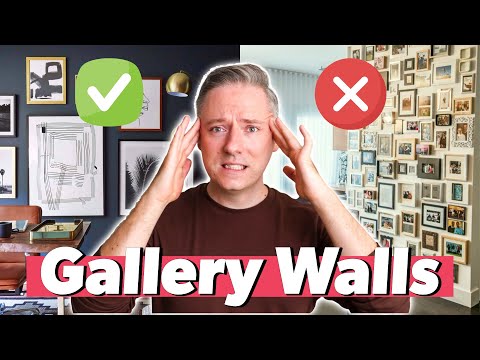
When displaying art as a Gallery Wall, it is ideal to fill 57% to 75% of the open wall space and center pieces at eye level.
Visual interest grows by mixing different shapes, sizes, and even dimensional decor such as mirrors.
Proper lighting, whether from spotlights or natural sources, accentuates the art’s details and makes it a focal point.
For effective art layout, preview arrangements with paper patterns or tape before committing.
- Fill 57%-75% of wall space for Gallery Walls
- Center artwork at eye level
- Combine various sizes and dimensional decor
- Maintain 6”-12” clearance above furniture
- Use proper lighting for enhanced impact
Mixing Colors, Mediums, and Frames With Confidence
Beyond thoughtful arrangement and placement, the choice of colors, mediums, and frames directly influences the character and cohesion of displayed artwork.
Mixing colors thoughtfully involves evaluating the existing palette and selecting artwork that either complements or subtly contrasts, adding visual interest without overpowering the space.
Exploring various mediums—originals, mixed-media, or prints—allows one to balance quality and budget, enhancing the perfect wall with diversity.
Frames should harmonize with both the artwork and room style; for example, modern pieces pair well with sleek frames, while ornate options heighten vintage art.
Incorporating different sized works and combining framed and unframed canvases introduces depth.
Ultimately, those seeking great art should take the time to experiment and trust their instincts, curating displays that reflect their personal aesthetic.
Frequently Asked Questions
How to Decide What Art to Put on Walls?
To decide what art to put on walls, one evaluates art style, color palette, personal preference, room theme, and mood setting. Consider art medium, framing options, investment value, cultural significance, and size balance for harmonious, meaningful decor.
What Is the ⅔ Rule for Wall Art?
The ⅔ rule for wall art recommends that art placement should cover about two-thirds the width of the furniture below, ensuring size proportion. Additional considerations include color harmony, frame selection, style consistency, theme coherence, and lighting impact.
What Is the Rule of Thumb for Wall Art?
A common rule of thumb for wall art involves considering size proportion, art placement at eye level, and aligning pieces with color theory, frame styles, art themes, wall textures, light sources, room mood, personal preferences, and gallery walls.
How to Choose the Right Size Artwork for a Wall?
To choose the right art size, one should assess wall dimensions, room scale, and desired focal point. Consider art grouping, frame selection, color balance, visual weight, appropriate height placement, and maintain theme consistency for a harmonious display.
Conclusion
Selecting artwork for your walls is a rewarding process that transforms any space into a true reflection of personal taste. By thoughtfully evaluating the room, understanding individual style, and exploring a variety of sources, anyone can curate a collection that fits both budget and vision. Confidently mixing colors, mediums, and frames further enhances visual interest. Ultimately, choosing and displaying art becomes an enjoyable journey, resulting in a home that feels unique, inviting, and distinctly your own.