
Dark green cabinetry paired with warm wood introduces sophisticated contrast and organic charm to kitchen spaces. Expert combinations—such as emerald cabinets with walnut, forest green islands on oak floors, and olive hues beneath exposed beams—generate visual depth and tactile interest. Matte or glossy finishes, butcher block surfaces, and custom wood trims foster timeless appeal across modern and classic settings. Exploring these spatial and material juxtapositions reveals inspired strategies for amplifying warmth and versatility in kitchen design.
Key Takeaways
- Dark green cabinets paired with natural wood countertops create a sophisticated, inviting kitchen with organic warmth.
- Mixing deep green shaker cabinets and butcher block surfaces offers timeless appeal and tactile contrast.
- Emerald or hunter green cabinetry combined with walnut or maple wood accents enhances depth and visual interest.
- Matte green finishes with wood textures evoke tranquility and fit both modern and rustic kitchen styles.
- Biophilic design elements, like botanical decor and wood beams, reinforce a calming, nature-inspired kitchen atmosphere.
Dark Green Cabinets With Rich Wood Countertops
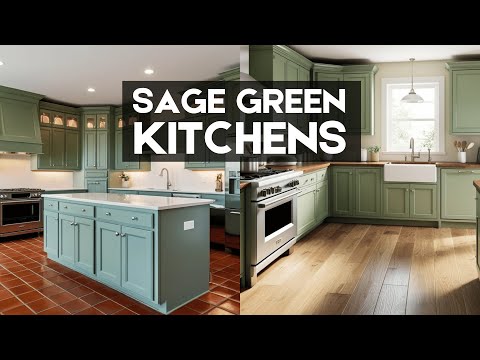
When paired with rich wood countertops, dark green cabinets introduce a sophisticated interplay of color and materiality that anchors the kitchen in both visual depth and organic warmth. This contrast leverages color psychology to evoke tranquility and balance, as the deep green tones mimic verdant outdoor spaces while the wood’s grain infuses natural texture. The synergy between cool-hued cabinetry and warm wood surfaces establishes kitchen aesthetics rooted in comfort and contemporary elegance. Such a combination enhances spatial awareness, grounding the room and inviting cohesive flow. Versatility is inherent, with this palette adapting seamlessly from modern minimalism to rustic tradition. Durability is guaranteed by selecting high-quality paint and timber, preserving both tactile and visual appeal over time, and making the kitchen a welcoming focal point for gatherings. Additionally, incorporating brass and gold hardware accents provides a sophisticated contrast to the dark green hues, enhancing the overall aesthetic with a timeless and high-end appeal.
Emerald Green and Walnut Accents

The interplay between emerald green cabinetry and walnut accents establishes a rich color contrast, anchoring the kitchen with both vibrancy and warmth. This timeless material pairing introduces sophisticated visual texture, where the saturated green finish is balanced by the organic grain of walnut surfaces. Spatial composition benefits from this dynamic, as it enhances both modern and traditional kitchen environments with refined depth. Olive green kitchens often incorporate layered lighting techniques to enrich texture and depth, creating ambiance and highlighting design features.
Rich Color Contrast
Emerald green cabinetry commands attention as a bold visual anchor in contemporary kitchen design, its saturated hue establishing a vibrant interplay with the organic warmth of walnut accents.
This dynamic pairing delivers a rich color contrast that raises spatial drama while maintaining cohesion. Emerald elegance is further accentuated by the deep, lustrous tones of walnut warmth, which ground the composition and soften the cool intensity of the green.
Walnut elements—whether as countertops, shelving, or trim—offer tactile richness and a sense of approachability, bridging the gap between modern sophistication and inviting comfort.
The interplay of these materials not only enhances visual depth but also defines functional zones within the kitchen, supporting both aesthetic ambition and the rhythm of daily life.
Timeless Material Pairing
Building on the visual tension established by emerald green and walnut, this material pairing achieves a rare balance between modern allure and enduring warmth.
Emerald cabinetry immediately commands attention, while walnut finishes temper the bold hue with organic sophistication. This interplay creates a kitchen environment that feels both dynamic and grounded, utilizing the luxurious depth of green against the tactile richness of wood.
The spatial dialogue between these two elements supports a range of design languages, adapting seamlessly from contemporary to classic interiors.
Key benefits include:
- Visual Depth: Walnut’s natural grain enhances the vibrancy of emerald cabinetry, offering layered visual interest.
- Organic Connection: Walnut finishes introduce natural warmth, anchoring the space with inviting earth tones.
- Versatility: The pairing complements diverse architectural contexts, from minimalist layouts to ornate schemes.
Sophisticated Visual Texture
Contrast defines the interplay between emerald green cabinetry and walnut accents, orchestrating a kitchen environment where visual texture becomes a focal point. The saturated jewel tone of emerald green establishes a luxurious foundation, while the organic grain of walnut introduces sophisticated layers, enriching the tactile narrative of the space.
Spatially, walnut countertops or shelving punctuate the smooth expanse of green, producing visual harmony through the juxtaposition of matte and lustrous surfaces. This synergy enhances both materiality and ambiance, ensuring the kitchen remains both visually engaging and inviting.
The versatility inherent in this palette seamlessly accommodates diverse design languages, from minimalist to classic, allowing warmth and character to permeate the environment. Ultimately, the deliberate integration of these elements achieves a nuanced, cohesive, and welcoming composition.
Forest Green Islands Paired With Oak Flooring

A carefully curated pairing of deep forest green islands with natural oak flooring introduces a sophisticated interplay of color and materiality in the kitchen.
The juxtaposition between forest green accents and oak flooring establishes a visually compelling focal point, infusing the space with both boldness and warmth. This design strategy leverages the richness of dark green cabinetry against the golden undertones of oak, resulting in a harmonious and inviting environment.
The spatial relationship intensifies the tactile quality of the materials, showcasing expert spatial awareness and style.
Consider these key features:
- Contrast: Forest green islands create a dramatic counterpoint to the warm, neutral palette of oak flooring.
- Cohesion: Oak flooring enhances the depth of green, ensuring cohesive visual flow.
- Sophistication: Brass or gold hardware accents raise the overall ambiance.
Adding white quartz countertops to the design can further amplify light and create a fresh, expansive feel within the kitchen.
Olive Green Cabinets and Exposed Wood Beams

Serenity defines the interplay between olive green cabinetry and exposed wood beams, where earthy hues meet architectural texture to craft a kitchen environment grounded in both sophistication and warmth. The olive green aesthetics serve as a chromatic anchor, cultivating tranquility and a natural connection, while the tactile authenticity of exposed beams introduces spatial rhythm and rustic kitchen designs. Together, these elements yield a harmonious juxtaposition—balancing modern refinements with organic resonance. This pairing is not only visually compelling but also functionally resilient, adept at concealing daily wear. The design’s versatility adapts seamlessly to contemporary lofts or farmhouse retreats, broadening creative possibilities. The combination of brass hardware and accents with olive green cabinetry introduces warmth and luxury, enhancing the overall visual depth and classic feel of the kitchen.
| Olive Green Aesthetics | Exposed Wood Beams |
|---|---|
| Evokes calm | Adds organic structure |
| Timeless appeal | Conceals imperfections |
| Nature-inspired | Promotes rustic warmth |
| Versatile styling | Enhances spatial depth |
| Contemporary or rustic | Architectural contrast |
Deep Green Shaker Cabinets With Butcher Block Surfaces

Deep green shaker cabinets introduce a timeless architectural element, their structured lines amplified by the tactile warmth of butcher block surfaces. This pairing orchestrates a balanced interplay between classic form and inviting materiality, infusing the space with natural contrast. The result is a kitchen environment where depth, comfort, and visual cohesion are expertly realized. Sage green cabinets offer visual depth with matte finishes and wood textures, which enhance the overall organic and calming atmosphere of the kitchen.
Classic Shaker Style Appeal
Timeless sophistication emerges in the union of shaker cabinetry rendered in a saturated green finish and natural butcher block countertops. The shaker style’s signature clean lines and understated flat-panel doors create a canvas where deep green hues enhance kitchen aesthetics without visual clutter.
This classic configuration harmonizes with both traditional and contemporary interiors, prioritizing balance and spatial clarity. The contrast between the crisp cabinetry and the inviting warmth of wood surfaces establishes a sense of tranquility and enduring appeal.
Designers and homeowners value this approach for its ability to blend style and functionality seamlessly.
Key reasons for its enduring popularity include:
- Distinctive color contrast enhances the sense of depth and dimension.
- Shaker style supports timeless kitchen aesthetics and adaptability.
- Natural textures reinforce a welcoming, connected-to-nature atmosphere.
Butcher Block Warmth
Building upon the harmonious interplay of shaker cabinetry and natural wood, the pairing of rich green shaker cabinets with butcher block surfaces introduces a tactile dimension to kitchen design.
The deep, saturated green establishes a grounded visual anchor, while the butcher block—available in various styles such as end-grain, edge-grain, or blended woods—delivers both warmth and organic texture.
This composition not only enhances spatial depth but also supports a biophilic philosophy, fostering connection to nature through materiality and color.
Butcher block maintenance is essential to preserve its beauty and functionality; regular oiling and prompt cleaning prevent staining and maintain a resilient, food-safe surface.
The robust character of these worktops suits both contemporary and traditional schemes, offering enduring practicality and inviting ambience within the kitchen environment.
Inviting Natural Contrast
While the interplay of color and material defines kitchen character, the juxtaposition of rich green shaker cabinetry with butcher block surfaces establishes a deliberate natural contrast that commands attention.
This synergy leverages deep green’s bold saturation against the tactile warmth of wood, orchestrating a palette that is both sophisticated and grounded. Designers employ this pairing to infuse kitchens with nature inspired accents, referencing biophilic design to cultivate a restorative environment.
The spatial balance between the cabinetry’s strong chromatic presence and the countertop’s organic grain highlights the versatility of kitchen color schemes, adaptable across modern and rustic aesthetics.
Key attributes of this approach include:
- Enhanced textural depth through contrasting surfaces
- Warmth and coziness ideal for gathering spaces
- Seamless integration with diverse style narratives
Moss Green Base Cabinets With Floating Wood Shelves

A foundation of moss green base cabinets instantly grounds the kitchen, introducing visual depth and a sophisticated natural palette. This rich hue infuses the space with organic tranquility, while the tactile presence of moss green textures enhances both visual and physical warmth. Above, floating wood shelves punctuate the vertical plane, creating a striking yet harmonious juxtaposition. The open shelving concept maximizes spatial openness, making the kitchen feel expansive while offering a canvas for curated floating shelf decor. Natural wood grain complements the cabinetry’s depth, reinforcing the nature-inspired narrative and inviting a serene, lived-in ambiance. Integrating botanical elements or earthy vessels on the shelves amplifies the connection to the outdoors. Biophilic design enhances warmth and creates a connection to nature, making the kitchen a serene retreat. This interplay of color, material, and display establishes a versatile, welcoming kitchen environment.
Dark Green and Rustic Reclaimed Wood Combinations

When integrated thoughtfully, dark green cabinetry and rustic reclaimed wood forge a sophisticated dialogue between color and materiality, anchoring the kitchen in both visual depth and tactile richness.
This pairing leverages the intrinsic rustic charm of reclaimed wood, counterbalancing the saturated intensity of dark green with organic aesthetics and palpable warmth. The juxtaposition of these elements enhances spatial perception, enriching both texture and visual intrigue.
Key attributes of this design synergy include:
- Textural Contrast: The interplay of smooth, painted cabinetry and rugged wood surfaces introduces dynamic layering.
- Versatile Style Adaptation: Suitable for modern, farmhouse, or traditional kitchens, this combination adapts seamlessly to a variety of spatial narratives.
- Indoor-Outdoor Harmony: Evoking nature-inspired palettes, the pairing blurs boundaries between interior and exterior environments.
Additionally, incorporating sustainable materials in kitchen design aligns with eco-conscious trends and enhances the overall aesthetic while promoting environmental responsibility.
Hunter Green Cupboards With Light Maple Details

Hunter green cupboards juxtaposed with light maple details orchestrate a sophisticated balance between depth and luminosity, preventing visual heaviness while accentuating spatial clarity. The interplay of these tones draws attention to the natural wood grain, instilling an artisanal quality that enhances the kitchen’s tactile appeal. This thoughtful palette introduces a sense of visual freshness, fostering an environment that feels both contemporary and inviting. The combination of bold contrasting colors like hunter green with natural wood elements evokes a sense of timeless elegance and warmth.
Balancing Deep and Light Tones
Contrast defines the interplay between deep hunter green cabinetry and light maple accents, establishing a visually sophisticated foundation within the kitchen’s spatial composition.
This dynamic pairing leverages color psychology, with hunter green evoking stability and groundedness while light maple injects optimism and warmth.
The calculated juxtaposition of dark and light surfaces creates both depth and clarity in the kitchen environment, ensuring design harmony prevails rather than visual clutter.
Spatial awareness is heightened as each tone articulates its own boundary and purpose.
- Visual Depth: Hunter green cabinetry anchors the space, providing a dramatic yet serene backdrop.
- Balancing Light: Light maple details soften the overall palette, ensuring the room remains inviting and airy.
- Unified Harmony: The synergy between these tones supports versatile kitchen aesthetics, from contemporary to rustic.
Showcasing Natural Wood Grain
While the interplay of color is essential, the tactile presence of natural wood grain introduces a new layer of sophistication within the kitchen.
Hunter green cupboards, paired with light maple details, create a striking visual contrast that enhances spatial depth and interest. The inherent organic texture of light maple enhances the integration of natural elements, grounding the space with warmth and authenticity.
This thoughtful juxtaposition achieves design harmony; the boldness of hunter green is tempered by the soft, luminous quality of maple, ensuring the kitchen maintains an inviting, balanced ambiance.
Such a combination adapts seamlessly across a spectrum of styles—from contemporary to rustic—demonstrating versatility while honoring the tactile and visual richness of wood grain within a curated kitchen environment.
Enhancing Visual Freshness
Drawing inspiration from natural scenery, deep green cabinetry juxtaposed with light maple details establishes a visually dynamic yet cohesive focal point within the kitchen.
This interplay leverages color psychology by using hunter green to evoke tranquility and grounding, while light maple injects warmth and visual freshness.
The spatial synergy between these two tones enhances the kitchen ambiance, fostering an inviting environment conducive to both daily routines and gatherings.
Designers favor this approach for its adaptability in various kitchen styles and its ability to connect interiors with nature.
Key benefits include:
- Contrast and Balance: Hunter green’s depth is softened by maple, achieving visual equilibrium.
- Versatility: This combination suits modern, rustic, or transitional kitchens.
- Nature-Inspired Comfort: Wood elements amplify the calming, organic atmosphere.
Sage Green and Warm Cherry Wood Pairings

When sage green cabinetry is integrated with warm cherry wood elements, the result is a kitchen environment defined by harmonized tonal balance and spatial cohesion.
Sage green textures introduce a subdued, calming foundation, their cool undertones softened by the inherent radiance of cherry wood finishes. The juxtaposition of these materials evokes a natural, organic aesthetic, reminiscent of serene outdoor environments brought indoors. Cherry wood’s depth and warm hues not only complement the muted green cabinetry but also imbue the space with a sense of inviting comfort. This pairing adeptly bridges contemporary and rustic design sensibilities, offering versatility for various decor themes.
The careful interplay of these surfaces guarantees both visual warmth and a welcoming atmosphere, ideal for communal kitchen settings and daily family interactions. Botanical decor enhances personalized touches throughout the kitchen space.
Glossy Green Cabinetry With Natural Wood Backsplashes

Expanding upon the interplay of color and material, glossy green cabinetry paired with natural wood backsplashes introduces a heightened sense of dimensionality within the kitchen.
The reflective surfaces of glossy textures maximize ambient light, creating a vibrant yet balanced visual environment. This approach leverages organic aesthetics, seamlessly fusing nature-inspired elements with contemporary design sensibilities.
The tactile warmth of natural wood grounds the luminous sheen of the cabinetry, fostering both luxury and approachability.
Key spatial and stylistic advantages include:
- Enhanced Depth: The contrasting gloss and wood grain amplify spatial perception and visual intrigue.
- Practicality: Glossy green finishes facilitate easy cleaning, while resilient wood backsplashes withstand daily use.
- Versatility: This combination adapts across stylistic contexts, ensuring a cohesive yet distinct kitchen environment.
Moreover, incorporating nature-inspired hues can reinforce the organic appeal and create a calming ambiance that aligns with biophilic design principles.
Matte Dark Green Kitchens With Wooden Breakfast Bars

Aesthetic cohesion defines matte dark green kitchens with wooden breakfast bars, where subdued cabinetry anchors the space and highlights the organic vibrancy of natural wood.
This interplay of color combinations—deep, matte green with varied wood tones—creates a grounded, sophisticated ambiance.
Design considerations focus on achieving balance: matte finishes conceal fingerprints, preserving a pristine appearance, while wooden breakfast bars introduce tactile warmth and visual relief.
The flexibility in wood finishes, from pale ash to rich walnut, allows for tailored spatial narratives that complement the cabinetry’s depth.
These kitchens exemplify biophilic principles, bridging indoor environments with nature through materiality and chromatic harmony.
The configuration not only supports family interaction and casual dining but also reflects a growing appreciation for serene, organic-inspired interior spaces.
Dark Green Built-Ins Framed by Wooden Trim

Building upon the interplay of matte dark green cabinetry and natural wood, dark green built-ins framed by wooden trim introduce a distinctly architectural layer to the kitchen environment.
This design strategy leverages the inherent contrast between lush, saturated green and the organic warmth of wood, enhancing spatial depth and visual intrigue. The juxtaposition not only raises design aesthetics but also forges seamless color harmony, reinforcing the connection between indoor and outdoor elements.
- The wooden trim—whether in pale oak or deep walnut—enables precise customization, aligning with both traditional and modern kitchen narratives.
- The enveloping green cabinetry, paired with tactile wood, cultivates a welcoming, cozy atmosphere ideal for communal gatherings.
- This configuration highlights versatility, allowing creative expression while grounding the kitchen in a natural, enduring palette.
Frequently Asked Questions
What Wood Color Goes Well With Dark Green?
Rich wood tones like walnut and cherry offer sophisticated color combinations with dark green, enhancing spatial depth. Lighter woods such as birch or maple introduce contrast, while oak and reclaimed finishes provide balanced warmth and distinct textural interest.
What Color Goes With Dark Green in a Kitchen?
White, cream, pale gray, and earthy tones harmonize with dark green accents in kitchen color schemes. These hues provide spatial balance, enhance light diffusion, and support a sophisticated, layered aesthetic, elevating both visual contrast and overall design cohesion.
How Can I Make My Kitchen Feel Warmer?
To make a kitchen feel warmer, designers recommend layering cozy lighting, such as pendant fixtures and under-cabinet LEDs, and integrating warm textiles like textured curtains and seat cushions, which introduce softness and enhance the room’s inviting spatial ambiance.
Is a Dark Green Kitchen a Good Idea?
A dark green kitchen is a compelling design choice, offering notable dark green benefits such as depth and visual sophistication. Its impact on kitchen aesthetics is significant, enhancing spatial perception while maintaining a contemporary yet timeless elegance within the environment.
Conclusion
In these kitchens, the interplay of dark green cabinetry and wood elements fosters a sophisticated yet inviting spatial narrative. The expert juxtaposition of deep hues and warm timber creates visual depth and tactile richness, enhancing both functionality and atmosphere. Each design leverages scale, proportion, and materiality, demonstrating how saturated color and organic wood tones can transform a kitchen into a cohesive, welcoming environment while maintaining a refined, contemporary sensibility rooted in both tradition and innovation.