
Dark kitchen aesthetics achieve drama and coziness through tonal finishes, deep matte or high-gloss cabinetry, and luminous white backsplashes for crisp contrast. Layered lighting, including under-cabinet LEDs, enhances depth, while warm metallic hardware and natural wood accents introduce tactile warmth. Mixing open shelves with closed storage balances openness and function. Select jewel-tone details or statement arches and beams for visual intrigue. Contrasting matte countertops, light flooring, and cozy furnishings complete the look, with more sophisticated techniques available ahead.
Key Takeaways
- Layer dark matte cabinetry with high-gloss white backsplashes for dramatic contrast and a spacious, inviting feel.
- Use warm metallic hardware and natural wood accents to add coziness and soften the moodiness of dark palettes.
- Incorporate layered lighting, including under-cabinet LEDs and warm pendants, to enhance depth and create a welcoming glow.
- Mix open shelving with closed storage to balance visual weight and display curated dishware or greenery for added warmth.
- Introduce rich jewel tones and statement architectural details, like arched cabinets or beams, for opulent drama and unique character.
Embrace Tonal Finishes for Depth

By thoughtfully layering tonal finishes, a dark kitchen can achieve remarkable depth and sophistication. Designers frequently select dark kitchen cabinets in hues such as deep chocolate or charcoal, pairing them with countertops in similar, subtly varied tones. This monochromatic approach creates a cohesive envelope, where tonal finishes provide nuanced visual interest without overwhelming the space. Incorporating materials like high-gloss lacquer on cabinetry amplifies ambient light, enhancing the moody atmosphere while introducing a sleek, modern touch. Aged brass hardware or fixtures punctuate the darkness with reflective warmth, adding glimmers that enliven the palette. To successfully implement this strategy, experts recommend varying sheen levels—mixing matte and polished surfaces—to enrich texture. With the addition of natural stone surfaces, the kitchen gains luxury and refinement, creating striking focal points. This method transforms dark kitchens into inviting, multi-dimensional spaces that exude both coziness and dramatic appeal.
Contrast Dark Cabinets With Crisp White Backsplashes

When paired with dark cabinetry, crisp white backsplashes introduce immediate visual contrast that enhances both brightness and spatial clarity within the kitchen. This design strategy leverages the reflective qualities of glossy white tile or handcrafted zellige, amplifying available light and offsetting the depth of dark cabinets. The interplay between these elements not only draws attention to architectural details and hardware but also creates a sophisticated, inviting ambiance. White backsplashes serve as a practical backdrop, making the kitchen feel more expansive and open, even in compact layouts. The versatility of this palette accommodates a range of aesthetics, from modern minimalism to rustic chic. Black shaker cabinets with white marble surfaces offer timeless elegance, adding to the overall sophisticated design. For ideal cohesion, consider grout colors and backsplash patterns that complement the style and finish of the dark cabinets.
Illuminate With Layered and Under-Cabinet Lighting
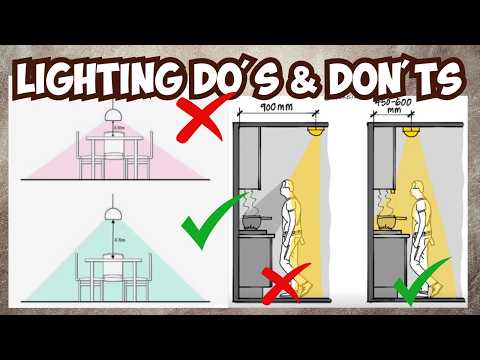
Strategic use of layered and under-cabinet lighting enhances both form and function in a dark kitchen, optimizing task lighting efficiency for precise meal preparation. Installing LED strip lights beneath cabinetry accentuates wood grain and finishes, drawing attention to unique design features. Introducing dimmable, warm-toned fixtures produces an ambient glow, balancing practicality with an inviting visual warmth. The matte black pendants can also be incorporated for a dramatic contrast, enhancing both the aesthetic and functional lighting of the space.
Enhance Task Lighting Efficiency
Layered lighting acts as a cornerstone of effective dark kitchen design, combining ambient, task, and accent illumination to optimize both visibility and atmosphere.
Strategic task lighting, particularly through under-cabinet lighting, is essential for ensuring countertops remain shadow-free and highly functional. LED strip lights installed beneath cabinetry deliver focused illumination directly to work surfaces, enhancing safety and precision during meal preparation.
Selecting warm-toned, adjustable under-cabinet lighting not only boosts efficiency but also maintains a cozy, dramatic environment integral to the dark kitchen aesthetic.
Key considerations for task lighting efficiency include:
- Installing continuous LED strips for even countertop illumination
- Opting for dimmable fixtures to adapt brightness to various tasks
- Choosing warm color temperatures to soften the effect against dark cabinetry
- Ensuring fixture placement eliminates work surface shadows effectively
Highlight Cabinetry Details
Although dark cabinetry establishes a sophisticated foundation in kitchen design, its full impact emerges only when properly illuminated.
Layered lighting schemes—combining pendant lighting fixtures and recessed downlights—strategically highlight cabinetry details, enhancing depth and visual intrigue.
Under-cabinet lighting is indispensable in this context, casting a focused glow that not only improves countertop visibility but also accentuates the grain and finish of dark wood.
LED strip lights, favored for their energy efficiency and adjustable brightness, are ideal for under-cabinet applications, bringing out subtle textures without overpowering the space.
Selecting dimmable lighting fixtures allows for mood customization, while choosing warm white or soft gold hues creates contrast, preventing the kitchen from feeling overly enclosed.
Effective lighting enhances cabinetry details, reinforcing both function and dramatic style.
Create Ambient Glow
When thoughtfully orchestrated, lighting transforms a dark kitchen from stark to inviting by balancing task and ambient illumination.
Layered lighting is essential to achieve both function and visual depth—combining ambient glow with pinpointed brightness for usability. Under-cabinet lights deliver focused luminescence for safe food preparation and showcase the richness of dark cabinetry.
Warm-toned LEDs set beneath cabinets, inside glass-front units, or above islands contrast beautifully with moody surfaces, cultivating an intimate yet dramatic aura. Adjustable dimmers provide control, enabling seamless shifts from vibrant workspace to cozy entertaining zone.
To optimize both ambiance and utility, consider:
- Under-cabinet LED strips for shadow-free countertop tasks
- Pendant fixtures above islands for vertical layering
- In-cabinet accent lighting to highlight displays
- Wall dimmer switches for customized brightness levels
Incorporate Natural Wood Accents

Integrating natural wood accents into a dark kitchen introduces a striking visual counterpoint, effectively warming the atmosphere and softening the intensity of deep-toned cabinetry. Utilizing natural wood for open shelving, countertops, or even cabinet door fronts creates a tactile richness that contrasts elegantly with dark cabinetry. Opting for lighter wood species such as oak or maple provides a harmonious balance, preventing the space from feeling overly heavy while maintaining a cozy, inviting ambiance. The unique grain patterns and inherent color variations in natural wood guarantee each kitchen’s character remains distinctive. For a sustainable approach, reclaimed or responsibly sourced wood can be specified, enhancing both aesthetic and environmental value. Natural wood accents can soften the boldness of black cabinetry, creating a cozy ambiance that bridges the gap between sleek contemporary and warm rustic sensibilities. Ultimately, these accents ground the dramatic palette, adding depth and a touch of organic sophistication.
Play With High-Gloss and Matte Surfaces

Balancing the warmth of natural wood with the interplay of surface finishes enhances the dark kitchen’s overall design. High-gloss finishes reflect light, amplifying brightness and lending a sleek, contemporary edge to dark kitchens, while matte surfaces introduce a tactile, understated sophistication.
The juxtaposition of high-gloss cabinetry and matte countertops creates compelling visual dynamics and delineates functional zones. To optimize this interplay, designers often use high-gloss finishes as focal points and matte elements to temper intensity and add depth. Matte black finishes or honed granite are particularly effective in creating a fresh feel and maintaining practicality in a kitchen space.
High-gloss cabinetry paired with matte countertops brings striking contrast and defines distinct areas, balancing drama with subtle sophistication.
Consider these practical pairings:
- High-gloss cabinet doors paired with matte stone or concrete countertops
- Glossy backsplashes contrasting with matte-finished kitchen islands
- Matte wall finishes to ground the space amid glossy upper cabinetry
- Strategic placement of high-gloss accents to highlight architectural features
This nuanced approach yields a harmonious, dramatic, and inviting kitchen.
Add Warmth With Metallic Hardware

Though dark kitchen palettes naturally evoke depth and drama, the strategic introduction of metallic hardware—such as gold, brass, or copper—infuses essential warmth and sophistication.
Metallic hardware stands out against black cabinetry, creating a striking visual interplay that enhances the overall aesthetic. Aged brass, in particular, lends vintage charm and a refined, luxurious touch, while the reflective surface of metallic finishes enhances ambient light, preventing the space from feeling overly heavy. Gold hardware on cabinets enhances space with refined luxury and visual intrigue, making it a popular choice in modern kitchen design.
Expert designers often recommend mixing metal finishes—think stainless steel appliances paired with warm brass handles—to introduce layered visual interest and depth.
Opting for oversized or uniquely shaped hardware adds a sculptural element, serving as both functional and decorative. These deliberate hardware selections maintain a cozy, inviting atmosphere within the dramatic framework of a dark kitchen.
Mix Open Shelving With Closed Storage

While metallic hardware introduces warmth and sophistication, the interplay between open shelving and closed storage further enhances a dark kitchen’s visual dynamics.
Strategically breaking up expanses of dark cabinets with open shelving lightens the visual weight, creating a more inviting and balanced atmosphere. Open shelving is ideal for displaying curated dishware, artisanal ceramics, or greenery, infusing the kitchen with personality and warmth.
Closed storage, on the other hand, conceals less attractive essentials, maintaining an organized and streamlined appearance. This hybrid approach maximizes utility while enabling creative expression.
For best results, consider:
- Positioning open shelving near prep zones for easy access to daily-use items
- Using dark open shelves to match cabinetry for cohesion
- Layering textures—wood, metal, glass—for depth
- Rotating decorative objects seasonally for freshness
Incorporating black kitchen tables can further enhance the dramatic effect by providing a bold contrast against lighter elements in the kitchen.
Experiment With Rich Jewel Tones

Jewel tones—such as deep teal, emerald green, and royal purple—serve as dynamic color accents that enhance the visual richness of a dark kitchen. These saturated hues complement dark wood cabinetry, intensifying depth and creating a palette that feels both opulent and inviting. Utilizing jewel tones in backsplash tiles, appliances, or decorative elements allows for targeted bursts of color, providing contrast against neutral or monochromatic surfaces. For those seeking personalization, jewel-toned bar stools or pendant lights introduce character without overwhelming the space. To further uplift the dramatic ambiance, pairing jewel tones with metallic finishes—such as gold or brass hardware—adds a sophisticated luster. This combination not only enhances visual interest but also cultivates an intimate, welcoming environment ideal for gatherings and daily routines. Introducing warm wood accents can further balance the vibrancy of jewel tones, ensuring a harmonious blend between color and texture in the kitchen.
Integrate Statement Shapes and Architectural Details

Architectural interest in dark kitchens can be enhanced by embracing bold cabinet arches, which introduce graceful curvature and soften the overall visual impact. Highlighting dramatic ceiling beams not only adds depth but also creates a striking contrast against deep-toned cabinetry. For maximum effect, pair these statement features with minimalist hardware and integrated lighting to accentuate their sculptural qualities. Incorporating warm wood accents can further enrich the kitchen's design, adding natural undertones that juxtapose beautifully with the dark elements.
Embrace Bold Cabinet Arches
By integrating bold cabinet arches into a dark kitchen, designers introduce a striking architectural element that enhances the entire space.
These arches serve not only as dramatic focal points but also as a means to soften the rigid geometry often present in contemporary kitchens. The incorporation of bold shapes within cabinetry boosts visual interest while fostering a sense of warmth and coziness, especially when paired with wood or brass accents.
For added dimension, reeded glass fronts on arched cabinets break up solid expanses of dark finishes, creating interplay between texture and light.
To maximize the effect:
- Specify tall arched doors to draw the eye upward.
- Contrast dark cabinetry with light wood or metallic hardware.
- Integrate reeded or frosted glass for subtle transparency.
- Use arches to define separate kitchen zones visually.
Highlight Dramatic Ceiling Beams
While often overlooked, the ceiling presents an ideal canvas for introducing dramatic beams that enhance the visual impact of a dark kitchen. Integrating exposed beams in contrasting colors or textures draws the eye upward, increasing the sense of verticality and amplifying the dark and moody ambiance.
Architectural details such as coffered or vaulted ceilings complement dark cabinetry, while maintaining a cozy yet sophisticated environment. To brighten the space without compromising the aesthetic, designers may specify ceiling beams in lighter finishes, which reflect ambient light and provide visual relief.
For added intrigue, unique beam shapes—arched or angular—can serve as striking focal points, infusing the kitchen with creativity. Prioritizing these statement elements guarantees the architectural details become integral to the kitchen’s dramatic, inviting atmosphere.
Balance Moody Hues With Light Flooring and Ceilings

A thoughtful interplay of moody hues with light flooring and ceilings can dramatically enhance the ambiance of a dark kitchen. When dark tones envelop cabinetry or walls, pairing them with light flooring—such as pale wood or neutral tile—provides essential visual lift and contrast. This strategy not only accentuates the richness of deep color palettes but also maximizes perceived space and brightness. White or light-toned ceilings further reflect available light, mitigating any oppressive atmosphere and defining architectural lines. Especially in compact layouts, balancing these elements is critical for both comfort and functionality. Consider the following:
- Choose matte or satin light flooring to subtly reflect natural and artificial light.
- Opt for white or off-white ceilings to amplify brightness.
- Define zones with contrasting dark tones and light surfaces.
- Utilize continuous light flooring to visually expand tight spaces.
For an elegant touch, consider incorporating marble surfaces which enhance elegance and visual depth, adding a sophisticated backdrop to the kitchen design.
Frequently Asked Questions
How to Make Your Kitchen Feel Cozy?
To make a kitchen feel cozy, one should layer kitchen lighting—combining ambient, task, and accent sources—while integrating cozy textures such as wood, textiles, and plush seating, alongside personal decorative elements and warm color palettes for visual warmth.
How to Style a Dark Kitchen?
To style a dark kitchen, one should select dark cabinetry options paired with contrasting countertops, employ layered lighting techniques—including pendant and under-cabinet fixtures—and integrate reflective surfaces, textured materials, and natural accents to achieve balanced visual harmony and depth.
What Kitchen Design Never Goes Out of Style?
A kitchen design that never goes out of style features timeless elegance through classic materials such as white cabinetry, natural wood accents, and subway tile. Visual harmony is achieved by balancing neutral palettes, functional open shelving, and streamlined, practical layouts.
Is a Dark Kitchen a Good Idea?
A dark kitchen is a strong choice, offering dark kitchen benefits such as stain resistance and enhanced ambiance. Dark kitchen trends emphasize layered lighting, mixed materials, and contrasting accents to achieve visual balance, sophistication, and lasting practicality within contemporary interiors.
Conclusion
A dark kitchen aesthetic combines drama with inviting comfort through expert layering of matte and gloss finishes, tonal depth, and strategic lighting. Balancing rich cabinetry with crisp backsplashes and integrating natural wood guarantees warmth amid moody hues. Open shelving, architectural details, and jewel tones create a bespoke, visually dynamic space. To keep the look cozy rather than overwhelming, prioritize light floors and ceilings, and use under-cabinet lighting for practical elegance and ambiance.