
Green accent living rooms showcase dynamic possibilities—from bold emerald walls that anchor the space to calming sage paired with creamy neutrals. Forest green built-ins, olive furnishings, and mint with gold lend sophistication and versatile allure. Soft seafoam, lush botanical wallpaper, and playful chartreuse accents energize contemporary interiors, while mixed green tones and organic textures create layered depth and biophilic ambiance. Explore how these trends transform living areas with refined style and restorative comfort.
Key Takeaways
- Paint emerald green feature walls to create a vibrant focal point and pair with gold or brass accents for luxury.
- Layer sage and mint green textiles with creamy neutrals to cultivate a serene, airy, and contemporary foundation.
- Incorporate botanical wallpaper or green botanical prints to introduce visual depth and a biophilic connection.
- Add olive green furnishings or accent pillows for earthy sophistication and practical, easy-to-maintain style.
- Use playful chartreuse accents or artwork for pops of energy while maintaining harmony with neutral palettes.
Emerald Green Walls for a Bold Statement

Emerald green walls function as a dynamic focal point, instantly elevating the living room with a sense of vibrancy and luxury. In contemporary interior design, emerald green is prized not only for its visual impact but also for its nuanced role in color psychology—evoking feelings of balance, growth, and sophistication. This saturated hue creates striking contrast when paired with light-toned furnishings, allowing pieces to visually emerge against the rich backdrop. Accents in gold or brass further amplify the opulence, reflecting current trends that favor metallic finishes for added depth. Integrating organic materials, such as wood or lush foliage, harmonizes the boldness of emerald green and enhances biophilic design principles. Dark green colors anchor the palette, offering sophistication and grounding the dynamic elements of the space. Strategically placed decor in cream, blush, or soft gray softens the palette, ensuring a cohesive and inviting environment.
Sage Accents Paired With Creamy Neutrals

A subtle infusion of sage accents alongside creamy neutrals establishes a tranquil and sophisticated foundation for contemporary living rooms.
The harmonious interplay between sage furniture choices and serene color palettes enhances the space, fostering a calming ambiance that resonates with current interior design trends.
Sage’s muted tonal quality, when paired with cream, boosts the natural light in a room, contributing to an airy and refined aesthetic.
Utilizing sage in elements such as cushions, throws, or drapery introduces gentle contrast without overpowering the decor.
Integrating natural materials—wood, wicker, or rattan—complements the organic feel, reinforcing a relaxed yet polished environment.
Wooden elements visually ground the space, providing a natural and earthy touch that enhances the overall aesthetic.
This versatile combination enables seamless adaptation across various design styles, ensuring both visual interest and enduring appeal within the modern living space.
Forest Green Built-Ins for Cozy Corners

While many living rooms gravitate toward lighter palettes, forest green built-ins introduce a sense of depth and intimacy ideal for creating cozy corners. This deep, saturated hue enhances cozy aesthetics by enveloping a corner in rich color, promoting an inviting and sophisticated atmosphere. The integration of forest green cabinetry or shelving harmonizes effortlessly with organic materials—wood, stone, or metallic accents—while offering practical storage. Paired with soft neutrals like cream or beige, the boldness of forest green is balanced, ensuring the space remains open and visually dynamic. Incorporating layered textures like plush rugs and velvet cushions can further enrich the ambiance by adding depth and visual interest.
| Built-In Feature | Design Benefit | Styling Tip |
|---|---|---|
| Shelving | Adds vertical depth | Layer books and plants |
| Cabinetry | Conceals clutter | Choose matte or gloss finishes |
| Alcove Seating | Enhances coziness | Use plush neutrals for contrast |
Olive Green Furnishings for a Nature-Inspired Look

Olive green furnishings infuse living spaces with a tranquil, earthy ambiance that aligns seamlessly with current biophilic design trends. When integrated thoughtfully, olive green textiles—such as upholstered sofas or armchairs—serve as sophisticated focal points, enhancing visual depth while maintaining adaptability across diverse color schemes. This shade harmonizes effortlessly with natural materials like wood and stone, further reinforcing a nature-inspired aesthetic. Olive green decor, including cushions and throws, introduces subtle layers of interest to neutral schemes, fostering a sense of warmth and connection to the outdoors. The versatility of olive green complements rustic, bohemian, and minimalist interiors alike, ensuring cohesive spatial narratives. Additionally, its inherent practicality—camouflaging dirt and wear—positions olive green as an ideal choice for high-use living areas without compromising style. For added visual depth and warmth, incorporating a mix of verdant tones with timber can amplify the room's inviting and cohesive feel.
Mint Green and Gold for a Fresh, Modern Vibe
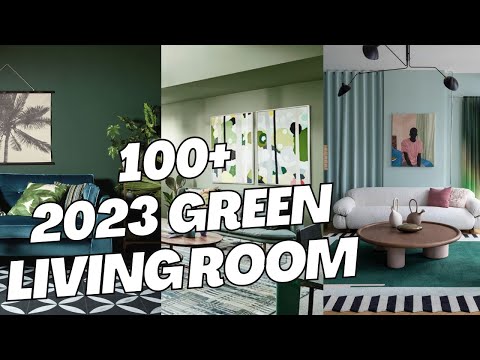
Harnessing the invigorating qualities of mint green alongside the opulent sheen of gold results in a living room palette that exudes both freshness and modern sophistication. Mint green walls introduce a tranquil, airy ambiance, serving as a striking canvas for gold decor elements. Integrating mint green accessories—such as cushions or area rugs—enriches the chromatic narrative, while gold-trimmed lighting and decorative objects infuse the space with a refined luster. Strategically placed mint green furniture, paired with gold accents, achieves a cohesive and visually stimulating environment. The versatility of this scheme enables the subtle layering of neutral tones and diverse textures, enhancing depth and tactile interest. Combining these colors with natural materials like wool and jute can add warmth and texture, further enhancing the space's inviting atmosphere. Mint green walls establish a serene foundation. Gold decor enhances the overall aesthetic. Mint green accessories unify design elements. Neutral tones provide balance and warmth. Layered textures introduce dimension and luxury.
Hunter Green Velvet Sofas as Focal Points

A hunter green velvet sofa instantly commands attention as a bold statement seating option, anchoring the living room with a sense of opulence and depth. When juxtaposed with neutral elements such as cream or soft beige, the vivid upholstery achieves visual balance and prevents the space from feeling overpowering. This approach leverages current trends favoring rich color statements harmonized by understated palettes for a cohesive, sophisticated environment. The velvet green sofa introduces luxurious texture and enhances tactile comfort, making it an elegant focal point in any room.
Bold Statement Seating
Anchoring a living room with a hunter green velvet sofa introduces an unmistakable sense of drama and luxury. This bold statement seating, distinguished by its luxurious textures, immediately commands attention and raises the entire space.
Velvet’s tactile appeal, coupled with the inviting comfort it provides, positions the sofa as both a sophisticated and practical choice for contemporary interiors. The deep, saturated color enhances spatial perception, working in tandem with lighter elements to accentuate visual hierarchy.
Strategic styling with gold accents or natural wood tones further refines the ambiance, supporting a harmonious blend of modern and timeless aesthetics.
- Enhances spatial focus with a striking central feature
- Showcases current trends in luxe upholstery materials
- Promotes tranquil, relaxing atmospheres through color psychology
- Invites tactile interaction and lingering comfort
- Balances visual weight in open-plan layouts
Pairing With Neutrals
Positioned against a backdrop of understated neutrals, the hunter green velvet sofa emerges as a compelling focal point within the living room. Its plush texture and deep, saturated hue create a sophisticated contrast with walls or furnishings in whites, creams, or light grays.
The introduction of green accent pillows enhances visual continuity, subtly reinforcing the color story without overwhelming the space. Neutral area rugs ground the arrangement, contributing to a cohesive and harmonious atmosphere that feels both contemporary and timeless.
Light wood furniture and beige or taupe accessories further balance the design, offering warmth and subtle elegance. For heightened interest, metallic elements—such as gold or brass lighting fixtures—complement the richness of the green, introducing a refined, modern dimension to this curated, trend-forward environment.
Soft Seafoam Green With Light Wood Tones

Soft seafoam green, when paired with light wood tones, establishes an atmosphere of tranquility and spaciousness in the living room. This palette, enhanced by neutral accents, supports a cohesive and visually light environment that aligns with current trends favoring natural materials and calming color schemes. Strategic incorporation of these elements optimizes both aesthetic harmony and spatial serenity. Introducing metallic finishes can add sophistication without overwhelming the airy feel of the room.
Enhancing Airy, Serene Atmosphere
When paired with light wood tones, seafoam green establishes a tranquil foundation that defines the contemporary airy living room. This chromatic synergy leverages the soft, calming backdrop of seafoam to promote serenity, while pale woods such as oak or birch contribute understated warmth and facilitate the diffusion of natural light. The result is an expansive, luminous ambience.
Strategic use of seafoam accessories and airy textiles—sheer curtains, linen throws, or woven cushions—amplifies this effect, balancing comfort with modern refinement. Incorporating organic elements, such as rattan furnishings and potted greenery, further enhances the restorative qualities of the space, echoing biophilic trends in interior design.
- Optimizes spatial perception with light reflection
- Supports a biophilic aesthetic through natural materials
- Balances softness and structure via layered textures
- Promotes psychological relaxation and visual clarity
- Reinforces trend-forward, minimalistic elegance
Pairing Green With Neutrals
Building on the serene foundation established by airy, natural palettes, the interplay between seafoam green and light wood tones exemplifies a sophisticated approach to contemporary living room design.
Soft seafoam green walls optimize ambient light, instilling an atmosphere of tranquility, while light wood surfaces—such as oak or birch—introduce organic warmth and textural contrast.
This balanced pairing accommodates a broad spectrum of neutral decor styles, from coastal-inspired schemes to modern minimalism, and provides a versatile setting for green accent furniture.
Strategic placement of light wood coffee tables or shelving against green backdrops enhances spatial depth and visual interest.
Integrating natural elements like potted plants or woven textiles further amplifies the calming effect, reinforcing the concept of a harmonious, inviting, and on-trend living environment.
Lush Green Wallpaper and Botanical Prints

While contemporary design trends increasingly favor biophilic elements, lush green wallpaper and botanical prints have emerged as transformative tools for living room interiors.
Capitalizing on botanical inspiration, these wallpaper trends introduce dynamic visual layers, where intricate leaf and floral motifs foster tranquility and sophistication.
Utilizing varying shades of green in wallpaper and prints, designers achieve depth and spatial harmony, making living spaces feel both expansive and inviting.
The organic patterns not only anchor the room’s aesthetic but also promote a restorative atmosphere, seamlessly connecting inhabitants to nature’s serenity.
Such design choices are strategic for living rooms intended for relaxation and social gatherings.
- Enhances biophilic design by inviting nature indoors
- Establishes a calming, restorative environment
- Offers visual depth through layered green tones
- Acts as a focal point with intricate botanical detailing
- Reflects current wallpaper trends for modern interiors
Consistent color palette and material choices can further enhance the harmony between the living room and adjoining spaces, promoting visual continuity and a cohesive design aesthetic.
Chartreuse Accents for Playful Energy

Beyond the layered elegance of botanical wallpapers, chartreuse accents offer a dynamic approach to infusing living rooms with playful energy. This bold green-yellow hue introduces a vibrant pop of color, instantly enlivening spatial atmospheres while maintaining harmony with neutral palettes. Interior designers often leverage chartreuse cushions strategically on sofas or armchairs to punctuate muted furnishings and establish visual intrigue. Playful artwork featuring chartreuse tones further enhances the room’s liveliness, creating focal points that draw the eye and add contemporary flair. The versatility of chartreuse guarantees compatibility across a range of décor styles, from minimalist to eclectic, making it an ideal choice for accent decor. Utilizing chartreuse in measured doses—through decorative accessories or accent furniture—preserves balance while injecting rejuvenating, trend-forward character into the living space. A well-executed use of chartreuse can harmonize with natural textures like jute and rattan, creating a cohesive and inviting environment.
Mixing Green Tones With Natural Textures

When multiple green tones are thoughtfully integrated with natural textures, a living room acquires both visual depth and an inviting, biophilic ambiance.
By strategically layering green fabric textures—ranging from soft sage upholstery to deep forest cushions—designers can establish a calming yet visually compelling palette. The inclusion of natural element combinations, such as bamboo lighting, wicker chairs, and stone accents, promotes a harmonious interplay between color and materiality. Organic layering, exemplified by pairing a linen sofa with a jute rug, introduces tactile richness and warmth. Green wallpaper with botanical motifs further animates the space, while reclaimed wood or terracotta details anchor the overall scheme in earthy sophistication. Gold accents for sophistication can further enhance the elegance of green and natural textures, creating a luxurious yet grounded atmosphere.
Layering green fabrics with natural textures like bamboo and stone creates a serene, visually engaging living room palette.
- Vary green fabric textures for nuanced depth
- Combine natural element combinations for visual unity
- Integrate botanical green wallpaper for vibrancy
- Pair linen upholstery with jute for tactile contrast
- Add reclaimed wood to balance green accents
Frequently Asked Questions
What Is the 3-5-7 Rule in Interior Design?
The 3-5-7 rule in interior design is a guideline utilizing color psychology and design principles: select three colors, five textures, and seven decor elements to achieve balanced spatial visualization and reflect contemporary trend awareness within interiors.
What Is the Best Complementary Color to Green?
Red is considered the best complementary color to green, according to color theory. Green color psychology suggests pairing with red, neutrals, or earth tones for ideal green color combinations, balancing vibrancy, spatial harmony, and contemporary trend awareness.
How Do You Create a Calming Green Living Room?
To create a calming green living room, designers recommend integrating soothing textures like soft linens and woven rugs, layering various green hues, and incorporating natural elements such as plants, enhancing tranquility through biophilic design and mindful spatial visualization.
Is Green Color Good for a Living Room?
Yes, green is advantageous for living rooms due to green color psychology, which associates the hue with tranquility and renewal. Green living benefits include enhanced wellbeing and biophilic design, aligning with current trends emphasizing spatial harmony and restorative environments.
Conclusion
Incorporating green accents into living room design offers a dynamic interplay between biophilic inspiration and contemporary aesthetics. From deep emerald walls to playful chartreuse details, these trending palettes enable spatial depth, visual interest, and a seamless connection to nature. Thoughtfully pairing green tones with natural textures, metallics, and neutral backdrops enhances spatial harmony and modern sophistication. Ultimately, green accent strategies empower homeowners to curate living environments that are both rejuvenating and visually compelling, reflecting current design sensibilities.