
Green kitchen walls paired with white cabinets craft a fresh, balanced backdrop that maximizes natural light and visual openness. Soft sage or mint greens enhance tranquility, while crisp white cabinetry provides clarity and focus. Deep green accents and natural wood elements add depth, and gold hardware introduces sophisticated contrast. Botanical touches and varied green hues create layers of interest, blending function and style seamlessly. Discover nuanced design combinations, material pairings, and lighting enhancements that raise this timeless palette.
Key Takeaways
- Soft sage or mint green walls with crisp white cabinets create a serene, spacious feel and complement natural light for an airy kitchen.
- Two-tone green wall treatments paired with white cabinetry add depth and playful segmentation while maintaining a balanced, open atmosphere.
- Deep green feature walls with white cabinets establish visual contrast and modern elegance, while gold or wood accents add warmth and sophistication.
- Incorporating natural wood elements or marble surfaces enhances textural interest, keeping the space fresh and light without overwhelming the design.
- Potted herbs and botanical touches reinforce the indoor-outdoor connection, bringing life and vibrancy to green and white kitchen schemes.
Paint Your Kitchen Walls a Soft, Welcoming Green
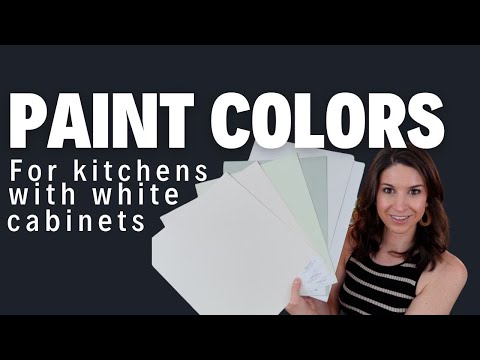
A soft, welcoming green on kitchen walls—such as Whirlybird by Farrow & Ball—establishes a serene, light-filled environment that visually expands the space. This gentle hue diffuses natural and artificial light, creating an airy backdrop that enhances the perception of openness. When paired with white cabinets, the soft green wall color acts as a bridging palette, facilitating a seamless indoor-outdoor connection. The careful selection of this chromatic foundation not only enhances the space aesthetically but also contributes to a balanced and tranquil atmosphere. Integrating natural elements, such as potted herbs or wooden shelving, further accentuates the calming effect and blurs the boundaries between interior and exterior. Choosing soft muted tones creates tranquility and spaciousness, impacting the kitchen's mood positively. Ultimately, soft green walls provide a functional, visually harmonious foundation for a kitchen that feels both spacious and inviting.
Pair Gentle Green Walls With Crisp White Cabinets

Soft green walls establish a tranquil foundation, yet the interplay with crisp white cabinetry enhances the kitchen’s spatial clarity and brightness. This strategic pairing of green walls and white cabinets cultivates an airy atmosphere that expands perceived space, ideal for both compact and open-plan kitchens. Gentle hues such as sage or mint green evoke a modern farmhouse sensibility, harmonizing with natural light to amplify the fresh, clean ambiance. The white cabinets act as luminous focal points, drawing the eye and accentuating architectural details. This combination supports functional versatility, allowing integration of tactile materials like wood or metal for added depth without visual clutter. Ultimately, the balance of soft color and sharp contrast yields a kitchen environment that is both visually inviting and operationally efficient. Sage green offers a calming presence and refined versatility in kitchen design, enhancing both rustic and contemporary interiors.
Layer Green and White for a Fresh Farmhouse Look

When subtle green walls are layered with pristine white cabinetry, the result is a kitchen that exemplifies the fresh farmhouse aesthetic—inviting yet spacious in its visual impact.
Utilizing hues such as Sage Green or Whirlybird infuses the space with an airy ambiance, while the crispness of white cabinets amplifies light and openness.
The strategic incorporation of natural wood—be it exposed ceiling beams or butcher block countertops—grounds the palette, introducing organic warmth that is quintessential to farmhouse design.
Contrasting matte green finishes with glossy white surfaces heightens textural variation, enhancing visual depth without overcrowding the senses.
Thoughtful accessorizing with living greenery not only echoes the green and white scheme but also forges a seamless connection to nature, reinforcing the farmhouse kitchen’s fresh, balanced character.
Incorporating sustainable materials such as reclaimed wood not only aligns with contemporary design trends but also amplifies the organic beauty of the kitchen space, supporting a nature-inspired design ethos.
Highlight White Cabinets With Deep Green Accents

Deep green accents—ranging from a saturated backsplash to a statement island—establish a commanding visual contrast against white cabinetry, intensifying both depth and sophistication within the kitchen. This strategic interplay in kitchen design leverages the boldness of a deep green accent wall, cabinetry, or island to ground the space and draw the eye, while white cabinets maintain an airy ambiance. The juxtaposition not only defines a modern, balanced color palette but also allows for tailored focal points that enhance spatial dynamics. Incorporating deep green decorative accessories or tiled areas further refines the visual hierarchy, ensuring the kitchen feels cohesive yet dynamic. Ultimately, the harmony between deep green and white cabinets yields a timeless, welcoming environment suitable for diverse design aesthetics, from contemporary to traditional. Adding biophilic design elements such as real or faux botanicals can further enhance the calming and inviting atmosphere of the kitchen.
Create Drama With Bold Green Metro Tile Walls

Although green is often associated with tranquility, bold green metro tile walls serve as a dynamic focal point in contemporary kitchen design. When installed from countertop to ceiling, green metro tiles create a striking visual impact and introduce depth, effectively expanding the perceived space.
The inherent gloss of these tiles amplifies light reflection, ensuring an airy atmosphere even within a bold color scheme. Pairing green metro tiles with crisp white cabinets generates a visually arresting contrast that balances intensity with freshness.
This juxtaposition underpins a stylish kitchen aesthetic, appealing to those seeking both vibrancy and harmony. Such a design strategy leverages the dramatic potential of green without overwhelming the space, making it ideal for adventurous decorators pursuing a kitchen that is both impactful and inviting. Additionally, incorporating sustainable materials aligns with eco-friendly trends and enhances the kitchen's functionality and flow.
Use Two-Tone Green and White Walls for Playfulness

Implementing a two-tone green wall treatment introduces dynamic color block effects, injecting energy and visual segmentation into the kitchen.
This method draws the eye and provides a strong backdrop for white cabinetry, which helps maintain balance.
Strategic placement of bold accessories further accentuates the playful scheme, offering targeted bursts of contrast and personality.
Energizing Color Block Effects
Many modern kitchen designs benefit from the visual dynamism achieved through two-tone green and white wall color-blocking. This approach leverages the psychological impact of color, where green adds vibrancy and renewal, while white kitchen cabinets and upper walls maintain a light and airy spatial perception.
The deliberate juxtaposition of a bold green lower wall with a crisp white upper wall establishes a playful and energetic atmosphere without overwhelming the senses. Functionally, two-tone walls define zones, enhance depth, and create architectural interest within the kitchen.
The green accent grounds the base, providing visual stability, while the white surfaces reflect natural light, amplifying brightness. This balanced composition encourages expressive design while supporting a clean, cohesive, and inviting environment ideal for contemporary living.
Accentuate With Bold Accessories
Building on the dynamic interplay of two-tone green and white walls, the introduction of bold accessories amplifies the kitchen’s visual impact while reinforcing its playful ambiance.
Strategically selected bold accessories—such as vivid kitchenware, striking pendant lighting, or graphic artwork—create focal points that punctuate the expanse of green walls and white cabinets.
Employing a spectrum of green shades, from deep emerald to soft sage, against crisp cabinetry establishes layered visual interest, while colorful accents further animate the space.
Patterned textiles or contrasting décor elements can be used to echo the two-tone scheme, enhancing the overall composition.
This curated approach not only injects personality but also maintains an inviting atmosphere, ensuring the kitchen remains airy, engaging, and functionally balanced for modern living.
Add Natural Wood Elements for Warmth

Integrating natural wood elements with green walls introduces tactile warmth and visual depth to the kitchen environment.
The interplay between organic wood textures and verdant hues fosters a harmonious, nature-inspired setting that softens the crispness of white cabinetry.
Strategic placement of wood—whether through surfaces, beams, or furnishings—enhances both aesthetic cohesion and functional comfort.
Blending Wood and Green
By introducing natural wood elements such as butcher block countertops, exposed ceiling beams, or hardwood flooring, a kitchen with green walls gains both warmth and visual depth.
The interplay between green walls and white cabinets is enhanced by the integration of natural wood, which anchors the space and fosters a grounded, cohesive design.
Light wood tones—whether in flooring, open shelving, or accent trim—ensure the kitchen maintains an airy feel, counterbalancing the richness of green.
This approach prevents the space from feeling visually heavy, while highlighting clean lines and organic textures.
When natural wood is strategically placed, the result is a kitchen that feels inviting, sophisticated, and tranquil, drawing on a harmonious palette that reflects both rustic charm and contemporary sensibilities.
Enhancing Warmth With Texture
Texture serves as a foundational element in elevating the ambiance of kitchens with green walls and white cabinets. Introducing warm wood—through features such as reclaimed wooden worktops, exposed beams, or open shelving—injects tactile richness and visual depth.
These textures offset the cool undertones of green walls and the crispness of white cabinets, fostering a cozy ambiance that feels both inviting and refined. Reclaimed or distressed wood amplifies rustic charm while adding unique character, harmonizing with the clean palette and enhancing spatial balance.
Strategically placed wood accents, including stools, tables, or functional decor like cutting boards, provide additional layers of texture, seamlessly blending practicality with aesthetic appeal. This thoughtful integration of warm wood elements guarantees an environment that feels balanced, airy, and inherently welcoming.
Energize the Space With Bright Green Walls

A splash of bright green on kitchen walls—such as the vivid Limerick shade from GoodHome Kitchen—serves as a dynamic focal point that enlivens the space. When paired with crisp white cabinets, this high-contrast palette generates a welcoming atmosphere while maximizing the perception of an airy and balanced environment. The interplay between bright green walls and reflective white cabinetry amplifies natural light, making the kitchen feel more expansive and open. This design approach revitalizes the space, promoting both functionality and visual stimulation—ideal for social gatherings or creative culinary endeavors. Integrating playful accessories, such as colorful kitchenware or modern artwork, can further enhance this cheerful scheme. Ultimately, the combination of bright green and white delivers an invigorating, contemporary kitchen that seamlessly bridges indoor vibrancy with outdoor freshness. Incorporating nature-inspired décor and greenery can further enhance the biophilic design, bringing a touch of the outdoors inside and promoting tranquility.
Balance Moody Dark Green With White Cabinetry

Pairing moody dark green walls with crisp white cabinetry establishes a dramatic contrast that enhances the sophistication of any kitchen. The white surfaces optimize light reflection, ensuring the space remains bright and visually open despite the depth of the green. This strategic interplay of tones delivers both visual impact and functional luminosity. Introducing high-gloss surfaces can further intensify brightness, creating a spacious and modern atmosphere.
Dramatic Contrast for Sophistication
Moody dark green walls juxtaposed with crisp white cabinetry establish a powerful visual dynamic, instantly elevating kitchen interiors with a sense of sophistication. The deep saturation of dark green, such as bottle or forest green, imparts depth, while the luminous quality of white cabinetry maintains spatial openness and clarity. The interplay of these elements crafts pronounced visual interest, especially when enhanced by polished gold accents and classic white subway tiles. The metallic sheen of gold hardware punctuates the setting, reinforcing elegance without overwhelming the palette. Meanwhile, white subway tiles serve as both a reflective surface and a timeless design statement, further amplifying brightness. This orchestrated contrast results in an environment where both drama and balance coexist seamlessly.
| Element | Effect |
|---|---|
| Dark Green Walls | Depth, mood, visual grounding |
| White Cabinetry | Openness, clarity, light enhancement |
| Gold Accents/Subway Tiles | Elegant contrast, reflective surface |
Enhancing Light With White
Visual equilibrium emerges when white cabinetry is introduced against the backdrop of dark green walls, effectively amplifying ambient light and enhancing spatial perception.
The inherent reflectivity of white cabinetry counterbalances the moody depth of dark green, distributing light uniformly throughout the kitchen and cultivating a fresh aesthetic. This strategic pairing not only increases the perceived openness but also supports a cohesive look, particularly when complemented by additional white accents such as countertops or light fixtures.
The juxtaposition of dark green and white cabinetry allows for the integration of vibrant decor, ensuring that color pops remain sophisticated rather than overwhelming.
Ultimately, this chromatic balance maximizes both natural and artificial light, fostering a serene, inviting environment suitable for a range of kitchen design motifs, from traditional to modern.
Incorporate Gold Accents With Green and White

When gold accents are introduced into a kitchen with green walls and white cabinetry, the result is a refined interplay of color and material that enhances the space's visual hierarchy. Gold hardware—such as cabinet handles and light fixtures—creates a striking contrast against the green and white kitchen palette, offering immediate visual appeal. Strategically placed gold details, including appliance trims or a gold-framed mirror, not only boost the aesthetic but contribute to a cohesive look by reflecting light and defining focal points. These metallic elements inject an undercurrent of luxury and warmth, balancing the freshness of white surfaces and the richness of green tones. The integration of gold accents transforms functional features into design statements, ultimately reinforcing both the sophistication and cohesion of the kitchen environment. Open shelving with gold brackets blends practicality and visual harmony, enhancing the kitchen's overall design narrative.
Introduce Green Through a Feature Wall

Selecting the ideal green hue, such as Whirlybird by Farrow & Ball, establishes a calming canvas that enhances white cabinetry without overpowering the kitchen’s atmosphere.
Contrasting accents—like natural wood shelving or art—introduce depth and highlight the crispness of the white elements. This approach guarantees the feature wall serves as both a visual anchor and a cohesive design element within the space.
Choosing the Perfect Shade
Although the choice of green may seem nuanced, establishing a feature wall in a kitchen with white cabinetry demands careful consideration of shade to achieve perfect visual impact.
Selecting the best shade of green is fundamental to crafting green walls that complement white cabinets and reinforce an airy feel. Light greens, such as mint or sage, introduce subtle spaciousness and tranquility, making the kitchen feel open and inviting.
Conversely, deeper tones like forest or emerald deliver sophistication and impactful contrast, anchoring the space without sacrificing balance.
Integrating patterns or textured finishes on the green feature wall adds dimension, elevating the kitchen’s character while maintaining restraint.
The interplay between green walls and white cabinets offers versatility, allowing for the seamless introduction of complementary colors and materials that sustain an airy, balanced aesthetic.
Highlighting With Contrasting Accents
By introducing a boldly hued green feature wall, the kitchen’s white cabinetry is immediately set into sharp relief, establishing a striking visual hierarchy within the space. The interplay between green walls and white cabinets produces a focal point that draws the eye and enhances spatial depth. Utilizing textured finishes, such as patterned wallpaper or matte paint, adds tactile interest while maintaining an airy and balanced atmosphere. Strategic placement of green accents—like potted herbs or curated ceramics—on the feature wall further unifies the design language and amplifies vibrancy. Opting for saturated greens, from emerald to sage, evokes calmness and warmth, counterbalancing the crispness of white cabinetry.
| Element | Function | Visual Effect |
|---|---|---|
| Green Feature Wall | Focal Point | Depth & Contrast |
| White Cabinets | Backdrop | Airy Ambience |
| Green Accents | Cohesion | Freshness |
Combine Green Walls and White Cabinets With Marble Surfaces

Pairing green walls with white cabinets and marble surfaces establishes a kitchen environment that is both visually dynamic and functionally refined.
This combination leverages the reflective qualities of white cabinets to amplify natural light, while green walls introduce depth and serenity. Incorporating marble surfaces—whether as countertops or backsplashes—infuses the space with sophistication and tactile interest.
The organic veining in marble bridges various shades of green, unifying the overall design. This approach not only boosts the sense of an airy atmosphere but also guarantees adaptability for a range of stylistic preferences.
Marble’s natural veining connects diverse green tones, creating cohesion and adaptability while enhancing the kitchen’s open, airy feel.
Incorporating brass or matte brass hardware can further enhance sophistication and add a modern touch to the kitchen design.
- Enhances spatial openness through reflective white cabinetry
- Provides visual cohesion by harmonizing marble veining with green hues
- Raises elegance with high-end marble surfaces
- Supports a versatile palette of green wall shades
- Maintains a fresh, light-filled kitchen environment
Go for a Light Green and White Mid-Century Modern Vibe

Soft light green walls, exemplified by shades like Whirlybird from Farrow & Ball, establish an inviting backdrop that channels the essence of mid-century modern design. The integration of white cabinets amplifies natural light, reinforcing a crisp, airy atmosphere and maintaining the minimalist ethos of mid-century interiors. Natural wood accents—whether in open shelving, ceiling beams, or sleek furniture—infuse organic warmth and tactile interest, balancing the cool tones of light green and white. The inclusion of geometric patterns in textiles or backsplashes further enhances visual dynamism without overwhelming the space. Functionality remains paramount, with every element tailored for both aesthetic cohesion and practical use. White finishes amplify brightness in kitchen spaces, enhancing the overall airy feel.
Embrace Botanical Elements With Green and White

Building upon the serene appeal of light green walls and crisp white cabinetry, kitchens can achieve heightened liveliness through the integration of botanical elements.
This design strategy strengthens the indoor-outdoor connection, blurring boundaries between nature and the built environment. Botanical elements—ranging from live plants to carefully chosen accessories—introduce organic texture and invigorate the color palette.
Combining green walls with white cabinets creates a visually balanced background for natural materials and lush greenery, resulting in a fresh, inviting ambiance. Functional and aesthetic benefits converge when botanical elements are thoughtfully incorporated.
- Display potted herbs or indoor plants for practical greenery
- Use vases of cut foliage to accentuate green walls
- Integrate botanical-patterned accessories for added depth
- Employ wooden shelves or cutting boards as natural materials
- Maximize daylight to reinforce the indoor-outdoor connection
Add Subtle Texture With Green Wallpaper and White Cabinets

Texture plays a pivotal role in elevating the visual complexity of a kitchen, and the juxtaposition of green wallpaper with white cabinets exemplifies this approach.
Selecting green wallpaper in botanical or geometric patterns introduces nuanced texture to the kitchen space, offering depth and tactile interest without overpowering the design. The fresh contrast between textured green wallpaper and the crisp finish of white cabinets creates a balanced, modern atmosphere, while maintaining an inviting sense of coziness.
Botanical or geometric green wallpaper adds depth and texture, striking a cozy balance alongside crisp, modern white cabinets.
Peel-and-stick varieties provide flexibility, allowing easy updates to match evolving design preferences. Integrating white open shelving layered atop green wallpaper not only accentuates the interplay of materials but also adds functional display opportunities, ensuring the kitchen remains airy and organized.
This combination achieves both aesthetic harmony and practical efficiency.
Mix Multiple Green Shades for Depth and Interest

By strategically layering multiple shades of green—from deep, saturated hues like Stable Green to lighter tones such as Willow V—a kitchen gains visual complexity and a sophisticated sense of depth.
This approach transforms ordinary spaces by creating a visually dynamic kitchen that maintains balance when paired with white cabinets. Employing a mix dark green with softer greens achieves a layered effect, ensuring the room feels cohesive yet multidimensional.
The interplay between color gradation and crisp cabinetry invites lightness without sacrificing richness.
- Integrate dark green lower cabinetry with lighter green walls for a grounded yet airy atmosphere.
- Use gradient effects on backsplashes or flooring to elongate visual space.
- Accessorize with green plants or kitchenware for organic continuity.
- Combine matte and gloss finishes for enhanced depth.
- Employ selective green accents to avoid overwhelming the palette.
Frequently Asked Questions
What Color Should My Walls Be if My Kitchen Cabinets Are White?
Selecting wall color for kitchens with white cabinet styles involves analyzing wall color trends and applying kitchen design tips. Light greens, soft grays, or muted pastels serve as airy kitchen accents, effectively balancing colors for a visually harmonious, functional space.
What Color Goes Well With Green in a Kitchen?
When considering green accent colors in kitchen design trends, experts recommend pairing green with nature inspired palettes, such as warm neutrals or muted yellows, to achieve complementary color schemes and enhance modern kitchen aesthetics through visual balance and functional harmony.
Should Walls Be Lighter or Darker Than Kitchen Units?
In kitchen design, wall color impact greatly influences visual space perception. Lighter walls maximize light absorption effects, enhancing openness, while darker cabinetry contrast options anchor the space, ensuring kitchen design balance through strategic interplay of tones and reflective surfaces.
What Shade of Green Is Best for Kitchen Cabinets?
Selecting the best shade of green for kitchen cabinets depends on desired atmosphere: sage green and mint green offer calming, airy aesthetics; forest green adds depth; olive green introduces warmth; pastel green enhances perceived spaciousness, particularly in compact spaces.
Conclusion
A green and white kitchen offers a harmonious interplay of color and function, with green walls providing tranquil energy and white cabinets ensuring visual clarity. Whether utilizing soft pastels, deep emeralds, or textured wallpapers, the pairing creates spatial balance and an inviting atmosphere. Integrating botanical motifs, layered hues, or dramatic tiles enhances both aesthetic and practicality. Ultimately, this classic palette maximizes light, delivers fresh ambiance, and supports a highly functional, visually enhanced culinary environment.